TV Aerials & Satellite Systems Explained
Many people confuse TV aerials and satellite systems. They ask, “Which one do I need?” Understanding these systems matters for everyday TV viewing. Clear signals mean uninterrupted channels, better picture quality, and reliable digital TV reception. TV aerials capture local broadcast signals. Satellite systems receive signals from satellites orbiting Earth. Both deliver home TV entertainment, but in different ways. This guide explains what they are, how they work, what can go wrong, and what to consider. By the end, you will understand TV reception systems and how to get the best results.
What Is a TV Aerial?
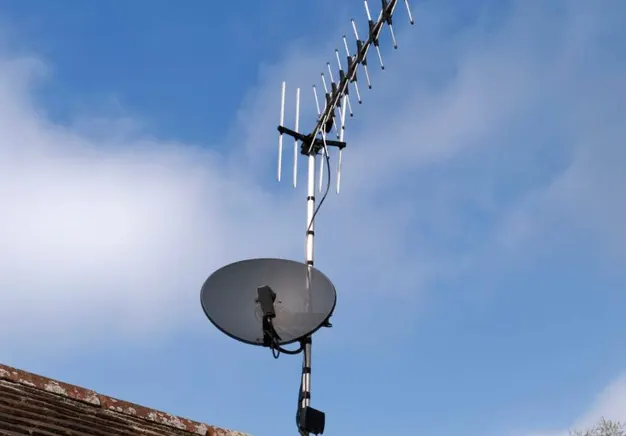
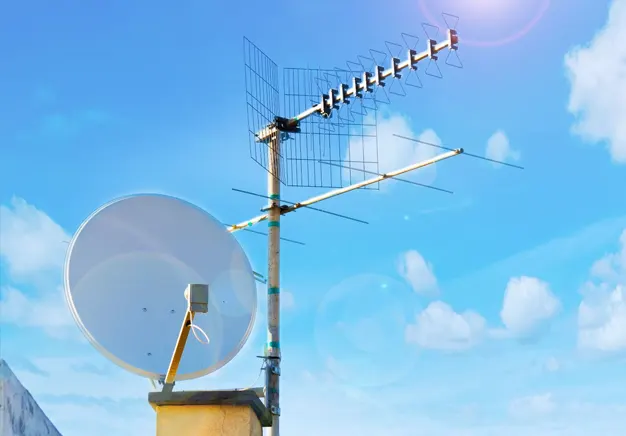
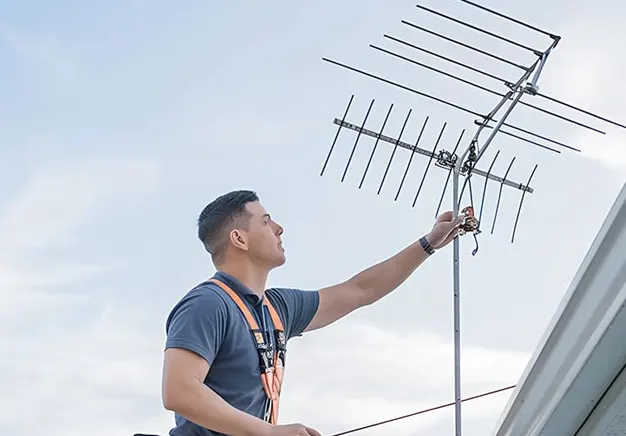
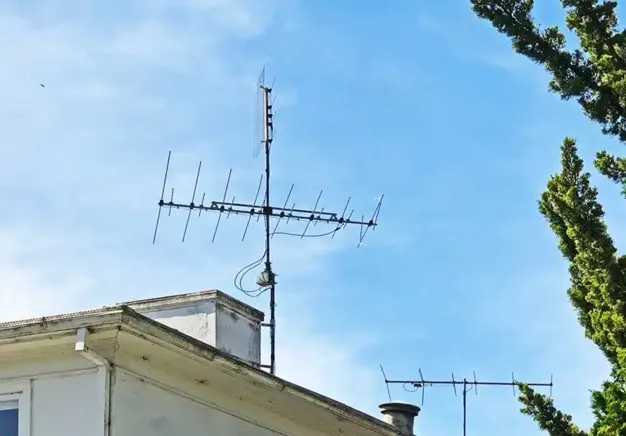
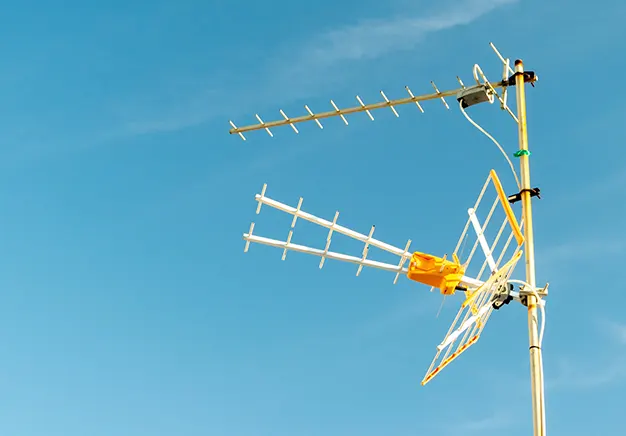
Many homes in the UK use aerial TV to access free digital channels. People rely on it for live television, news, sports, and entertainment services such as Freeview. A TV aerial is a device that captures broadcast signals transmitted from local TV towers. It converts radio frequency signals into electrical signals that your television can process and display. The aerial connects to a home through a coaxial cable, linking the building directly to nearby TV broadcast signals. Different aerial types exist, including indoor, rooftop, and directional aerials, designed to capture signals from specific transmitters. Using an aerial allows households to watch digital TV without relying on satellite dishes or internet streaming. Proper placement, signal strength, and orientation affect the quality of reception, making aerials a reliable choice for consistent, everyday TV viewing.
What Is a Satellite Dish?
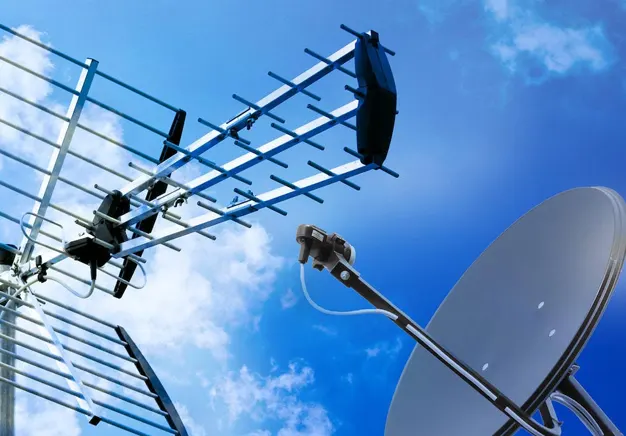
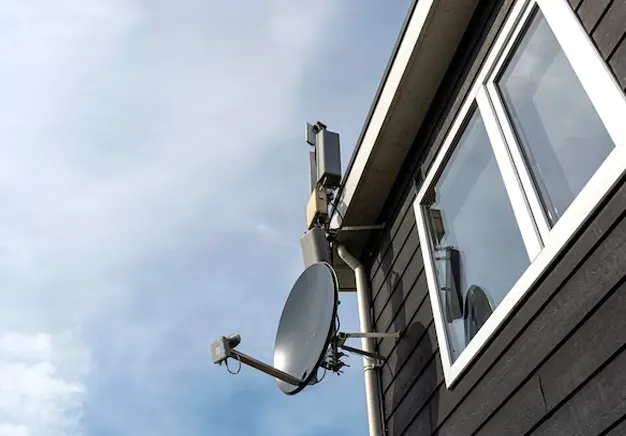
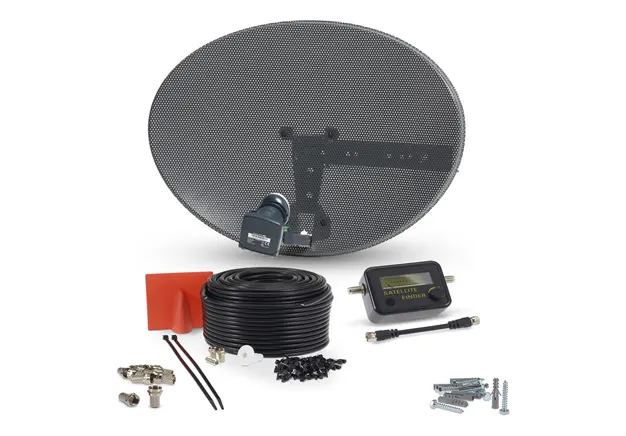
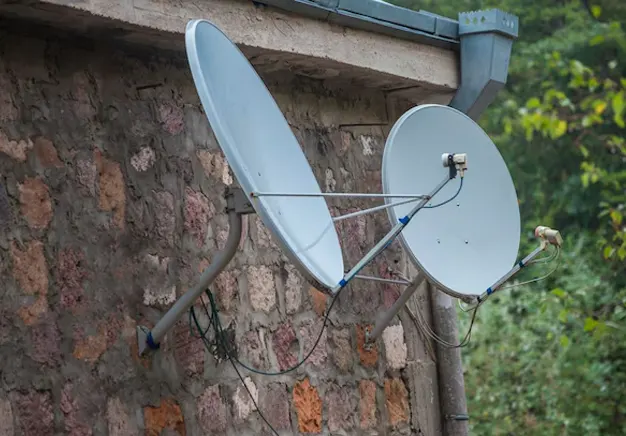
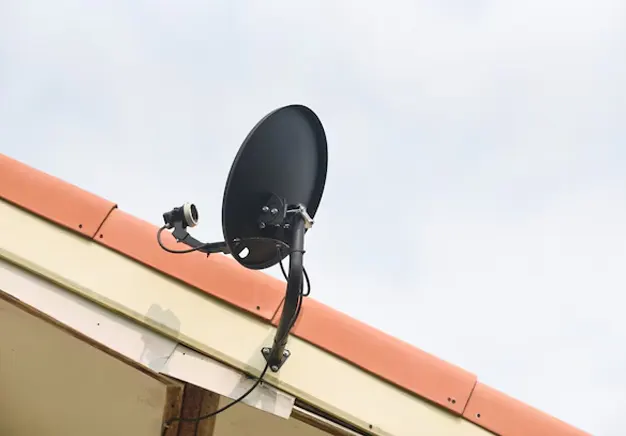
Satellite dishes exist to provide access to wider coverage and more channels than traditional TV aerials. They are commonly used for services like Sky and Freesat, offering both standard and high-definition channels. Unlike aerials, which capture signals from local broadcast towers, a satellite dish receives signals directly from satellites orbiting the Earth. The dish focuses these signals onto a small device called an LNB (Low-Noise Block), which converts them into electrical signals for the television. Satellite TV allows homes to access channels from across the UK and internationally, providing greater variety and more specialised content than terrestrial broadcast. Correct alignment of the dish toward the satellite is essential for stable signal reception. Satellite dish systems also support interactive features, on-demand services, and high-definition broadcasts, making them a popular choice for households seeking expanded TV options.
How TV Aerial & Satellite Systems Work?
A TV signal begins at a broadcast source. This may be a TV studio or media centre. The content converts into digital signals and is transmitted from a ground-based tower or an orbiting satellite. The signal then travels through the air as radio waves. Your aerial or satellite dish receives it. The signal passes through cables into a receiver or television. The TV decodes the signal into sound and pictures.
The signal path differs between aerial and satellite systems. An aerial system receives signals from a nearby terrestrial transmitter. These signals travel shorter distances across land. A satellite system receives signals from satellites orbiting around 35,786 kilometres above Earth. The dish reflects the signal to an LNB, which converts it before sending it indoors. Aerials rely on local tower coverage. Satellite systems rely on precise dish alignment toward space-based transmitters.
The process follows simple stages. Stage one: content is broadcast from a source. Stage two: signals travel through air or space. Stage three: the aerial or dish captures the signal. Stage four: cables transfer the signal to a receiver. Stage five: the television decodes and displays it. Each stage affects picture quality and stability. Proper installation and alignment ensure consistent reception for everyday viewing.
Common TV Signal Problems & Causes
“Why does my TV pixelate?” “Why does the picture freeze or say no signal?” These are common TV signal problems in London homes. Pixelation, sound dropouts, missing channels, and screen freezing often point to poor TV reception causes. Weak signal strength, loose cables, or misaligned aerials can interrupt the digital stream. Satellite users may see signal loss if the dish moves slightly out of position. Even small alignment changes affect reception quality.
Different symptoms are linked to specific causes. Pixelated images usually mean unstable signal levels. Complete signal loss often results from damaged cables or power supply faults. Intermittent channels may indicate transmitter issues or splitter overload in multi-room setups. Indoor aerials can struggle in low-signal areas. Satellite systems may fail if the LNB becomes faulty. Identifying the symptom helps narrow down the likely technical issue.
Environmental and equipment factors also affect signal reliability. Severe weather, such as heavy rain, snow, or strong winds, can interfere with satellite TV reception. Nearby buildings, scaffolding, or trees can block terrestrial broadcast paths. Ageing aerials may corrode over time, reducing efficiency. Old coaxial cables lose shielding and weaken signal transfer. Electronic interference from nearby devices can also disturb reception. Regular inspection and correct installation reduce most reception problems.
TV Aerial & Satellite Installation Basics
Many people underestimate how much placement and setup affect signal quality. The height, direction, and positioning of an aerial determine how well it captures broadcast signals. A satellite dish must align precisely with the correct orbital position. Even small angle errors reduce signal strength and stability. Poor placement often leads to pixelation, channel loss, or intermittent reception. Correct positioning ensures consistent digital viewing across all connected TVs.
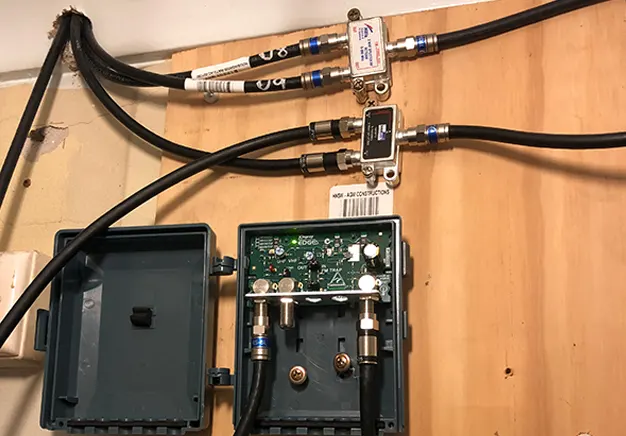
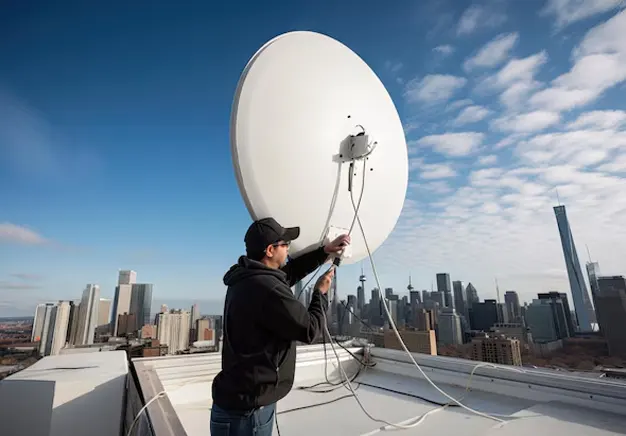
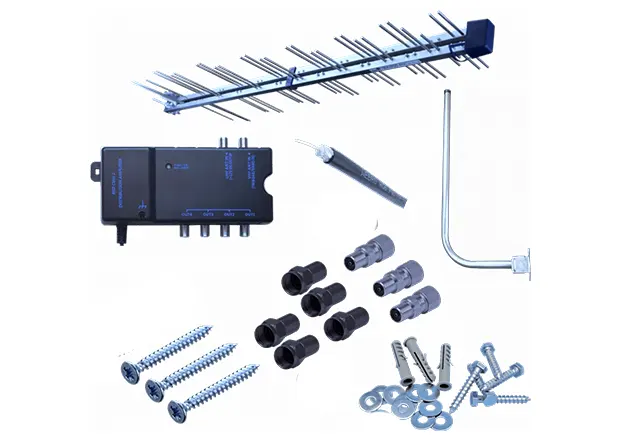
Understanding the basics of TV aerial and satellite installation helps explain what a proper setup involves. Installation includes selecting the correct aerial or dish type for the location. It requires secure mounting on a stable surface, usually a chimney, wall bracket, or roofline. Signal strength testing confirms optimal alignment before final fixing. High-quality coaxial cables and weatherproof connectors protect signal transfer. In multi-room setups, splitters or multi-switches distribute signals correctly. A structured installation process ensures long-term reliability and minimal signal disruption.
Safety, Compliance & Signal Regulations
TV installations are not only about signal strength. They also involve safety, structural stability, and regulatory compliance. Working at roof height carries fall risks. Incorrect mounting can damage brickwork or roofing. Poor cabling may create electrical hazards or long-term signal faults. These risks are often overlooked during basic setups.
Following the TV aerial safety regulations and satellite installation safety standards protects both property and occupants. Compliance ensures secure brackets, correct grounding, and weatherproof cable routing. Regulations are not bureaucracy. They reduce liability and prevent avoidable damage. Responsible installation standards ensure long-term reliability and safe operation.