
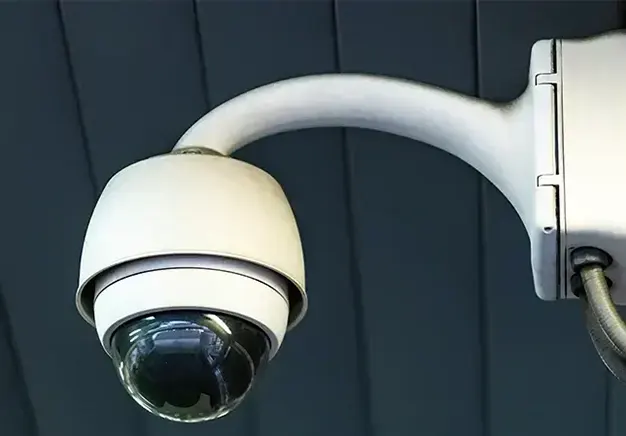
Yes, CCTV cameras can work without mains electricity. They utilise alternative power sources like rechargeable batteries, solar panels, or built-in power cells. These setups often pair with cellular data. This off-grid CCTV approach ensures continuous security monitoring. It protects footage storage during complete power outages. It also secures remote locations with no power grid access.
Types of CCTV Cameras That Work Without Electricity
Modern hardware architecture offers several reliable solutions for deploying a security camera without a power grid connection. Battery-powered units utilise heavy-duty rechargeable cells to operate completely wire-free. Solar-powered off-grid CCTV systems pair integrated solar panels with internal batteries for continuous, self-sustaining outdoor surveillance. Additionally, cellular security cameras bypass both traditional electrical lines and Wi-Fi networks by using standalone mobile data profiles. These standalone engineering designs ensure robust, independent security tracking in any location.
Battery-Only Wireless Cameras
A battery-only wireless camera runs entirely on a rechargeable or replaceable battery pack. This setup requires zero wiring or mains grid connection to operate. These battery CCTV camera models remain fully functional during power cuts. They offer simple, flexible placement for independent property surveillance.
Solar-Powered Cameras
A solar-powered CCTV system pairs an integrated solar panel with an onboard battery pack. The built-in panel constantly trickle-charges the camera, allowing a theoretically indefinite runtime. When sized correctly for local sunlight levels, this off-grid solar camera setup provides completely self-sustaining, continuous property surveillance without any external electrical supply.
4G/5G Cellular Cameras
A 4G CCTV camera serves as the ultimate off-grid security entity. These advanced units pair a mobile network SIM card with an internal battery to transmit live footage. This design allows the 5G security camera to operate completely wire-free. It provides a reliable SIM-card CCTV no-power solution. It also acts as an independent CCTV with no WiFi, operating seamlessly in remote locations.
Wind-Powered CCTV
A wind-powered CCTV setup offers a niche surveillance solution for extreme remote sites. In these zones, a micro turbine security camera charges an internal battery bank to maintain continuous operation. This configuration is ideal for locations with strong, consistent wind but highly limited sunlight. It provides a reliable off-grid power camera option for exposed coastal areas, marine setups, or hilltop industrial properties.
Battery Life & Longevity: How Long Do They Last?
Standard CCTV battery life ranges from three to six months per charge under normal usage conditions. However, solar camera longevity can theoretically extend to several years because the solar panel constantly replenishes the cell.
The precise answer to how long a security camera battery lasts depends heavily on operational triggers. Frequent motion detection, high video resolution, prolonged night vision use, and weak network signals accelerate power drain. Conversely, deep sleep modes, motion-activated scheduling, and optimised activity zones effectively extend the runtime of off-grid units.
How Long Do Battery Cameras Last?
The overall battery life and security camera performance depend heavily on localised environmental conditions and daily hardware activity. While hardware specifications promise long operation, real-world deployment significantly alters these timelines.
- Continuous Recording: Keeping a battery camera runtime active 24/7 drains the power cell completely within a few days.
- Night Vision & Infrared Use: Activating power-heavy IR LEDs for low-light monitoring severely impacts how long a battery camera lasts.
- Motion-Trigger Frequency: High-traffic areas that constantly trigger motion alerts keep the system from entering its low-power sleep state.
- Cold Weather: Sub-zero temperatures slow down chemical reactions inside lithium-ion cells, rapidly reducing overall capacity.
- Realistic Range: Depending on these usage variables, expect a standard runtime of 1 to 6 months per charge under motion-activated settings.
How Long Do Solar Panel Cameras Last?
A solar camera runtime can theoretically extend indefinitely if the hardware configuration balances power input with system draw. This performance depends directly on panel wattage relative to the camera’s daily electrical consumption, local sunlight hours, and the panel’s physical placement. A correctly sized solar panel security camera lifespan ensures the battery continuously trickle-charges, meaning the camera never needs manual charging. However, poor winter performance of solar CCTV or heavy shade will cause an undersized panel to fail, allowing the internal battery to drain completely during prolonged periods of low sunlight.
How Recording Mode Affects Power Consumption & Storage
Every hardware adjustment in your CCTV configuration directly determines the total system energy draw. Selecting a continuous recording mode causes rapid battery drain, while switching to an event-based trigger significantly lowers CCTV power consumption. Furthermore, localised no-power CCTV storage options, such as onboard SD cards, require less energy to write data than constant wireless uploads. Optimising these specific settings ensures that your independent security hardware maintains a reliable balance between comprehensive property monitoring and efficient power management.
Continuous Recording vs. Motion-Triggered Recording
The choice between these two recording profiles dictates your final battery drain and security camera performance. Each configuration forces a direct trade-off between complete visual coverage and system longevity.
- Continuous Recording (24/7): This mode drains power fastest because the image sensor and processor never enter a sleep state. However, it ensures total coverage by never missing critical footage.
- Motion-Triggered Recording: This profile significantly conserves energy by keeping the hardware in a low-power standby mode until an event occurs. The main drawback is that a motion-triggered camera battery system risks missing the start of an event due to sensor detection lag.
- The Verdict on continuous recording vs motion detection: Off-grid systems must rely on motion triggers to survive. Continuous recording is mathematically unsustainable on standard battery setups without massive, dedicated solar arrays.
Onboard Micro SD Card Storage & Retrieval
An SD card security camera saves video footage locally. It utilises edge storage- no power CCTV architecture directly inside the device. These systems operate completely offline. Users must perform a manual SD card retrieval process to access older footage. This localised method requires zero network connection. However, it demands physical access to the device housing.
Cloud Backup via Cellular Data
A cloud backup cellular camera offers a remote alternative to local storage. It transmits footage instantly to a secure server. This setup removes the need for physical card retrieval. However, this method involves a significant power trade-off. Constant data transmission via a 4G cloud security camera noticeably drains the battery. This heavy cellular data CCTV backup activity demands robust power sources like larger solar panels.
Best Use Cases for Off-Grid CCTV
Deploying an off-grid security camera provides the best CCTV option for locations lacking standard infrastructure. These systems deliver reliable remote property surveillance that no power grid can support. They excel on active construction sites, remote agricultural land, and isolated utility compounds. Additional no-power CCTV use cases include monitoring vacant assets, unpowered holiday cabins, and temporary outdoor public events.
Off-Grid & Remote Properties
An off-grid security camera provides the only viable option for properties lacking utility hookups. These systems protect isolated holiday cabins, vacant agricultural land, and detached outbuildings. Utilising an off-grid cabin camera allows for continuous monitoring without local infrastructure. This approach ensures robust remote property surveillance in areas completely cut off from the main electrical grid.
Construction Sites & Scaffolding
Deploying construction site CCTV provides critical security before permanent utility lines are active. These systems function as a portable security camera setup that requires no on-site infrastructure. Security teams can rapidly install them on scaffolding or perimeter fencing. This temporary jobsite camera configuration allows easy relocation as work progresses across different zones of the project.
Farms, Barns & Rural Land
An agricultural security camera system delivers vital theft deterrence across large acreage. Running electrical wiring to every distant camera point is financially impractical or physically impossible. Implementing a farm security camera no power setup allows owners to monitor isolated barns, equipment sheds, and perimeter entry gates. This approach provides robust rural surveillance off-grid, protecting valuable stock and machinery without costly trenching or cabling infrastructure.
UPS Battery Backups for Power Outages
A power outage security camera provides a reliable failover layer when the main grid fails. Standard mains-powered systems go completely dark during storms, blackouts, or intentional line cuts. In contrast, an off-grid backup camera no electricity setup keeps recording continuously due to its independent power source. This makes battery, solar, and CCTV interchangeable options highly resilient during a blackout. They ensure your property remains fully monitored even when the rest of the street loses power entirely.
Limitations of CCTV Without Electricity
While these systems offer incredible independence, understanding the specific limitations of battery-powered cameras is essential for planning a reliable deployment. The most immediate challenge is finite runtime, as every system eventually faces power depletion without a continuous charging source. Furthermore, prominent solar camera drawbacks include an absolute dependency on local weather conditions and seasonal sunlight shifts. Over time, physical battery degradation across repetitive charge cycles naturally reduces total energy capacity. Finally, key off-grid CCTV downsides include the ongoing logistical hassle of performing physical SD card retrieval at remote, hard-to-reach locations when network coverage is unavailable.
Is a No-Electricity CCTV System Right for You?
Deploying independent security hardware offers unparalleled freedom. These systems completely bypass grid limitations. They ensure continuous recording through blackouts and seasonal weather shifts. They easily handle remote environmental challenges.
As a specialised off-grid CCTV installer, our team understands the precise math behind power draw. We optimise storage configurations and wireless transmission. We deliver professional solar security camera installation. We also design custom hybrid cellular systems engineered specifically for your location. We will design a tailored, self-sustaining security framework. This keeps your remote assets protected 24/7 without a single drop of mains power.