What Is a CCTV System?
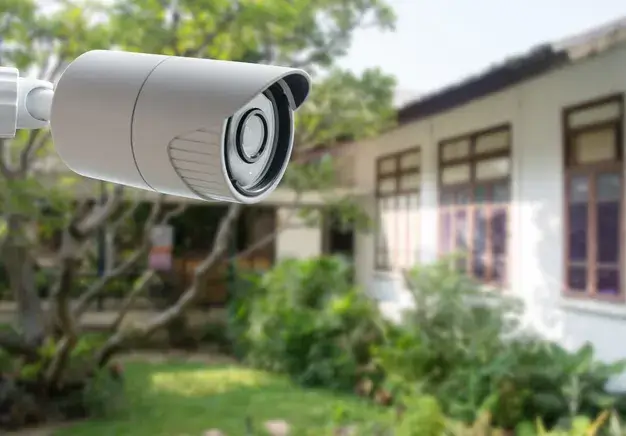
CCTV stands for closed-circuit television, a private video surveillance system used for security monitoring. These systems transmit video signals from cameras to specific monitors or recorders. Unlike broadcast television, the signal remains secure within a closed loop. Modern CCTV systems provide essential crime prevention for properties.
How CCTV Works
CCTV cameras capture light through a high-quality glass lens. The internal sensor converts this light into electronic signals immediately. These signals represent digital or analog video data from the monitored area.
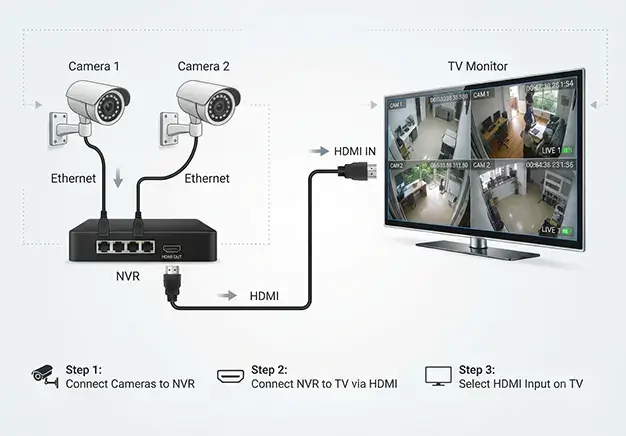
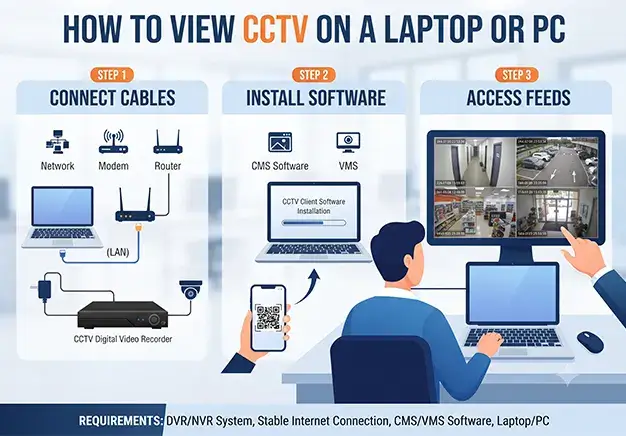
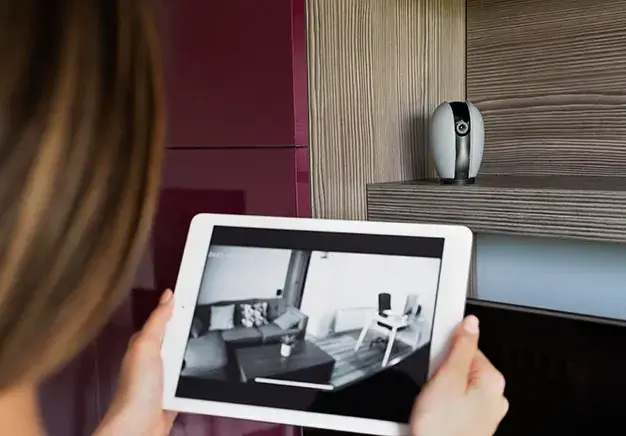
The system transmits this data through coaxial cables or wireless networks. The signal travels directly to a Digital Video Recorder (DVR) or Network Video Recorder (NVR). This hardware processes the raw footage for storage and playback. The recorder sends the final video feed to a dedicated monitor. Modern systems also stream this footage to secure mobile applications via the internet.
History & Evolution of CCTV
The first CCTV system appeared in Germany in 1942 to monitor V-2 rocket launches. Early iterations functioned solely through live observation without any recording capabilities. These primitive systems required constant human presence to identify incidents in real-time. Commercial availability expanded in 1949, though the technology remained expensive and technically complex.
The introduction of Video Home System (VHS) tapes in the 1970s revolutionised surveillance. Owners could finally store footage for later review or use as legal evidence. However, tape-based systems suffered from low resolution and high maintenance requirements. Magnetic tapes wore out quickly and required manual replacement every twenty-four hours.
Digital technology transformed the industry during the late 1990s and early 2000s. Digital Video Recorders (DVRs) allowed for higher frame rates and superior image clarity. These units eliminated the need for physical tapes by using internal hard drives. Users gained the ability to search specific timeframes within seconds rather than hours.
Modern IP cameras represent the latest evolution in London’s security landscape. These cameras transmit encrypted data directly through secure internet protocols and local networks. High-definition sensors now provide 4K resolution for precise facial and license plate recognition. Artificial intelligence adds another layer by automatically identifying specific threats or suspicious movements.
Types of CCTV Systems & Cameras
Modern CCTV installations categorise systems into two primary groups: Analog and IP. Analog systems use coaxial cables to transmit signals to a central recorder. These offer a cost-effective solution for basic monitoring needs. IP systems transmit digital data over network cables for superior image resolution. This advanced technology provides the highest clarity for London businesses and homes.
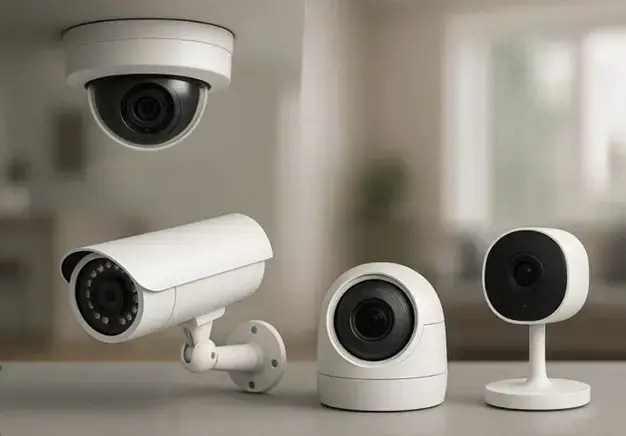
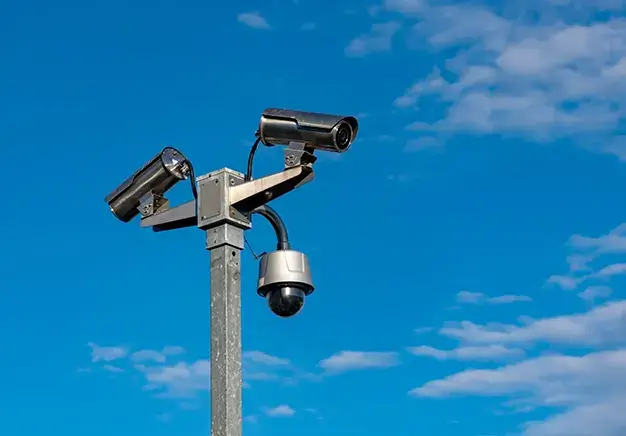
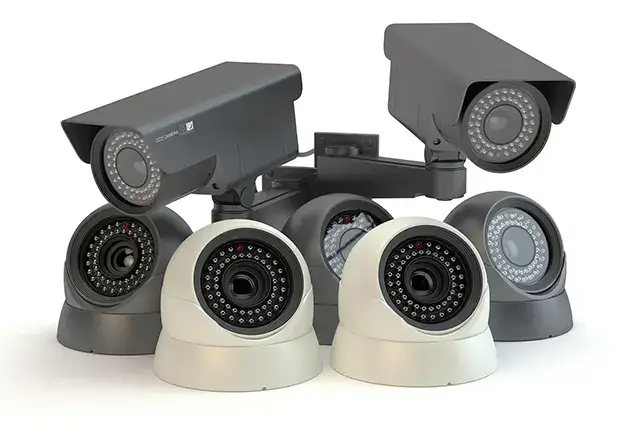
Professional installers select a specific type of camera based on the property layout and security objectives. Each hardware choice relies on specific CCTV technology to ensure reliable recording and remote access. Common options include Dome cameras, Bullet cameras, and Turret cameras for standard surveillance. Advanced sites may require PTZ cameras, Fisheye cameras, C-Mount cameras, or Eyeball cameras.
Components of a CCTV System
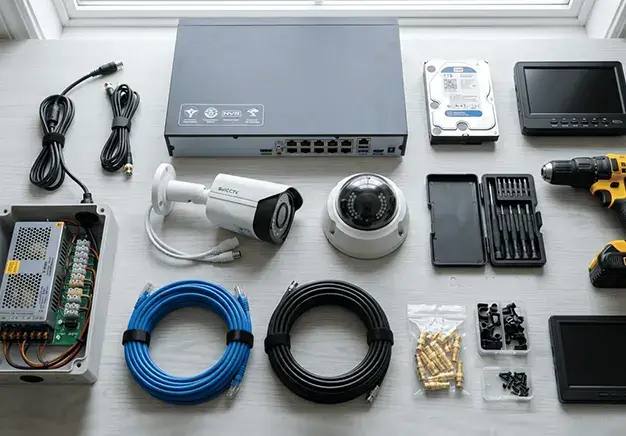
A complete surveillance setup requires several integrated parts to function reliably. Each CCTV component must be compatible to ensure clear signal transmission and secure data storage. Professional London installations rely on high-grade hardware to maintain 2-4-hour protection for commercial and residential properties.
- Cameras: These devices capture high-definition video footage of the premises.
- DVR or NVR: These units act as the central hub for recording and storing data.
- Cables & Wiring: High-quality cables connect the cameras to the recording hardware.
- Power Supply: This unit provides a consistent electrical current to all system devices.
- Storage Drive: A dedicated hard drive stores recorded video for future retrieval.
- Monitor: This display allows owners to view live or recorded footage on-site.
CCTV Applications: Home vs. Business
CCTV requirements vary significantly between residential settings and commercial environments. Homeowners typically prioritise simple monitoring to deter intruders and protect family members. These systems often focus on entry points like front doors, driveways, and garden perimeters. Residential setups usually require fewer cameras and offer straightforward mobile access for peace of mind.
Business owners face more complex challenges and must manage multi-site surveillance needs. Commercial systems often integrate with access control and must strictly follow UK GDPR regulations. These installations require robust data management to protect the privacy of staff and customers. High-traffic areas, stockrooms, and points of sale require continuous, high-definition coverage for liability protection. Professional business security provides the scalable infrastructure necessary for larger London premises.
Choosing the Right CCTV System
Professional selection ensures your system provides legally admissible evidence within your budget. Choosing the best CCTV requires a careful balance of technical performance and legal compliance. A professional installer must account for specific site challenges, such as lighting variance and data storage limits.
- Resolution & Clarity: Higher pixel counts allow for precise identification of faces and vehicle number plates. 4K Ultra HD cameras offer the most detail for large properties and commercial sites.
- Storage Capacity: Digital systems require high-capacity hard drives to store multiple days of high-definition footage. Professional installations typically include 1TB to 8TB of dedicated surveillance storage.
- Indoor vs Outdoor Environments: Outdoor cameras require high IP ratings to withstand rain and dust in London’s climate. Indoor units focus on discreet designs and wide-angle lenses for complete room coverage.
- Low-Light Performance: Quality sensors ensure clear images in total darkness or varied street lighting. Infrared (IR) or “Full Colour at Night” technology maintains visibility during night-time hours.
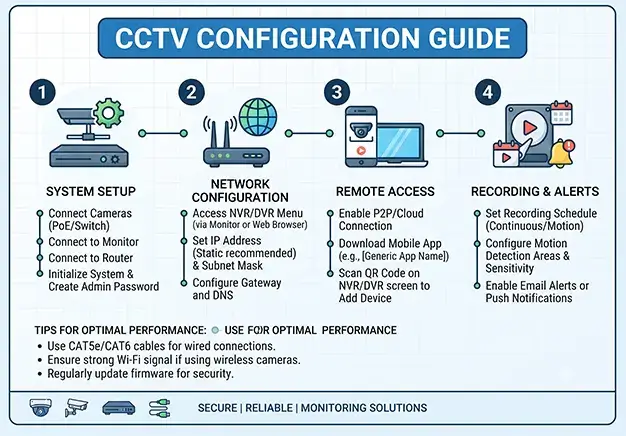
- Remote Access Requirements: Modern systems allow owners to view live feeds through secure mobile phone applications. Fast internet connections are necessary to support high-speed data streaming and alerts.
Professional CCTV Installation
Expert wiring and strategic camera placement determine the overall effectiveness of your security network. Professional installers identify critical blind spots and ensure every entry point has high-definition coverage. Correct cable management prevents signal interference and protects your equipment from environmental damage or tampering. Relying on expert technicians guarantees that your hardware operates at peak performance throughout the year.
Excel Solutions provides industry-leading surveillance expertise for diverse property types across London. Our specialists provide tailored residential CCTV installation to protect families and private homes. We also deliver high-capacity commercial CCTV installation for offices, retail units, and industrial sites. We ensure every setup meets strict insurance requirements and legal data protection standards.
Protect your premises with a bespoke security solution designed by local experts. Contact Excel Solutions (London) Ltd today to book your professional CCTV installation in London.