Mobile Signal Infrastructure: Complete Guide & Solutions
Poor mobile signals disrupt communication, delay daily tasks, and cause dropped calls in homes and businesses. Mobile signal infrastructure provides the foundation for clear calls and fast data transmission.
This guide covers everything you need to know about mobile signals, network infrastructure, and how we fix poor reception. You will learn how modern cellular networks operate and how a mobile signal booster, cellular coverage extender, or mobile network enhancer can permanently resolve signal dropouts in any building.
What is a Mobile Signal & How Does it Work?
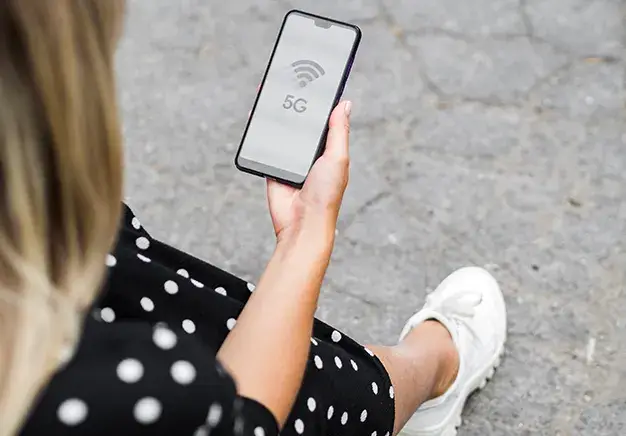
A mobile signal is a wireless transmission using cellular radio waves. It connects a mobile phone antenna to nearby cell towers. These radio frequencies transmit voice calls and internet data back and forth continuously. This process enables reliable phone calls, text messages, and high-speed mobile data.
Core Components of a Mobile Signal System
A mobile network relies on several core mobile signal components working together to deliver reliable coverage.
Mobile Signal Frequencies & Bands
Mobile networks use specific signal frequencies to transmit data efficiently across 4G and 5G networks. Lower frequency bands travel longer distances and penetrate thick walls easily, while higher bands deliver faster data speeds over shorter distances. Matching your 5G signal booster to the correct 4G or 5G frequency bands ensures optimum coverage and performance inside your building.
Network Technologies
Major UK providers—EE, O2, Vodafone, and the Three network—broadcast different types of mobile signal across 3G, 4G, and 5G networks. Each carrier uses specific radio frequencies to deliver coverage to mobile phones. Where carrier signals drop indoors, a legal GSM repeater captures outside coverage and amplifies it throughout the building.
Why Do I Have Poor Mobile Signal?
Several factors cause mobile signal problems inside properties. Here are the main reasons people experience bad mobile reception and signal dropouts:
- Building materials: Steel, concrete, double glazing, and foil-backed insulation block cellular radio waves from entering property interiors.
- Geographical distance: Living or working far away from the nearest cell tower weakens incoming signal strength.
- Physical obstacles: Hills, tall trees, neighboring buildings, and dense foliage disrupt line-of-sight signal transmission.
- Network congestion: High volumes of local user traffic overload nearby cell towers, reducing signal bandwidth.
- Weather interference: Heavy rain, dense fog, and severe storms scatter radio frequencies before they reach cell phone antennas.
Building Materials & Insulation
Building materials and modern insulation are a major cause of mobile signal problems in modern properties. Dense structures and energy-efficient building techniques reflect or absorb incoming cellular radio waves before they reach indoor mobile devices.
Key building materials that create signal blocking include:
- Foil-backed insulation: Thermal foil layers reflect radio frequencies away from internal rooms.
- Reinforced concrete and steel: Heavy metal framing and thick concrete walls absorb signal strength completely.
- Low-E double glazing: Specially coated energy-efficient glass prevents radio waves from passing through windows.
- Metal roofs and lead-lined walls: Solid metallic barriers block vertical line-of-sight connections to nearby cell towers.
Distance from Cell Towers
Distance from a cell tower directly affects mobile signal strength inside your property. Cellular radio waves weaken as they travel across physical distance. Properties situated far from the nearest mast experience lower signal power and frequent call dropouts.
This issue is particularly common in countryside locations where providers build fewer masts. You can use an online signal coverage checker to measure your exact distance from nearby cell towers and evaluate local network availability.
Key facts about rural signal issues and mast distance include:
- Signal degradation: Cellular power drops significantly for every kilometre of distance from the mast.
- Terrain interference: Rural landscapes feature hills and valleys that further block long-range radio waves.
- Network density: Urban zones feature closely spaced masts, whereas rural regions rely on sparse cell tower networks.
Professional Mobile Signal Solutions
Excel Solutions (London) Ltd. installs commercial-grade signal boosting systems to solve poor indoor reception. We design custom solutions that capture weak external coverage and deliver strong, uninterrupted signals throughout your entire building.
Our technicians install high-performance mobile phone signal amplifier systems tailored to your specific property layout. We eliminate dead zones, improve voice clarity, and restore fast mobile data across all major networks.
Our professional installation process includes:
- Site surveys: We conduct detailed RF frequency testing to measure external mast strength.
- System design: We select the best signal booster equipment for your floor plan.
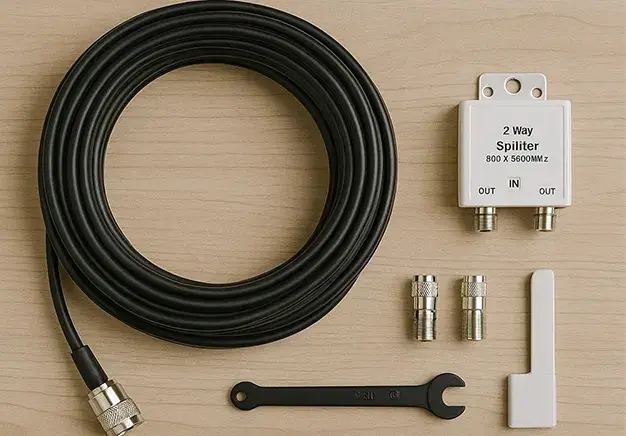
- Certified installation: We fit external antennas, internal coverage units, and cabling cleanly.
- Compliance checks: We verify full compliance with Ofcom technical standards.
Commercial Signal Boosters
We install large-scale commercial mobile booster setups across London. We fit Distributed Antenna System (DAS) networks in offices, hospitals, and shopping centers. A commercial DAS system distributes amplified cellular signals through ceiling antennas. This technology eliminates dead zones and supports heavy traffic across all major UK networks.
Residential Signal Boosters
We install residential mobile signal booster systems to bring strong 4G and 5G coverage into private homes. Our home cell signal amplifier solutions stop dropped calls and eliminate interior dead zones. We provide complete home installation services tailored to your property layout, ensuring seamless mobile reception in every room.
Why Trust Excel Solutions (London) Ltd.?
Excel Solutions (London) Ltd. provides fully licensed, Ofcom-compliant booster systems across London. Unregulated repeaters cause harmful network interference and break telecommunications law. We install legal signal booster technology that meets strict regulatory standards.
Our certified team of professional engineers conducts site surveys, manages full system setup, and ensures zero network disruption. Contact us today to arrange a professional signal survey for your property.
Key reasons to choose Excel Solutions (London) Ltd. include:
- 100% Legal compliance: We deploy Ofcom-compliant booster hardware approved for UK network frequencies.
- Certified engineers: Our professional installer London team brings extensive radio frequency expertise to every project.
- Guaranteed coverage: We eliminate interior dead zones across all major UK mobile networks.