
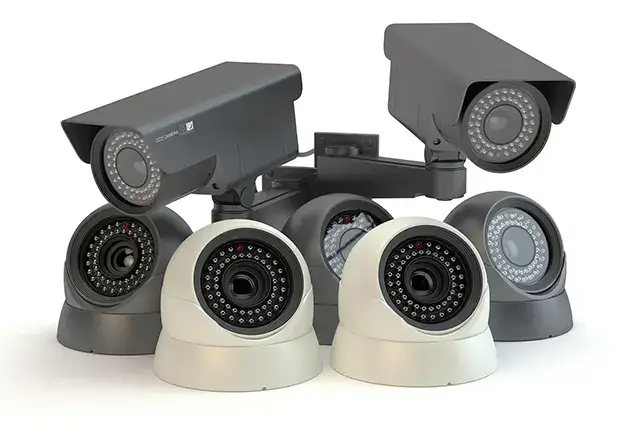
CCTV camera types vary by physical shape, technical function, and transmission method. Dome cameras offer discreet security for indoor or outdoor environments. Bullet cameras provide a visible deterrent with long-range viewing capabilities. Turret cameras deliver high-quality images without the glare issues of glass domes.
Different security cameras also feature specific technical functions. PTZ cameras allow remote control over pan, tilt, and zoom movements. Thermal cameras detect heat signatures in complete darkness or harsh weather. Wireless models use WiFi signals, while IP cameras transmit digital data over network cables. These various CCTV form factors ensure reliable monitoring for any property.
Physical Types of CCTV Cameras
The physical camera housing determines the suitability of a device for specific environments. Manufacturers design different shapes to protect internal components from weather and physical tampering. Choosing the correct outdoor CCTV shape ensures the device remains secure and functions effectively over time.
A camera’s physical shape dictates where it can be securely and effectively mounted. Dome housings work well for ceiling installations in corridors or shops. Bullet casings suit wall-mounted positions to monitor long driveways or perimeters. These physical CCTV types allow for flexible placement while maintaining optimal viewing angles.
Dome CCTV Cameras
A dome CCTV camera features a lens housed in a transparent glass or plastic dome. This discreet security camera blends seamlessly into indoor commercial CCTV environments like office receptions. The sleek casing protects the internal components from dust and physical interference.
The main psychological benefit remains its obscured lens direction. Criminals cannot easily see which way the camera is pointing at any given time. This uncertainty creates a powerful deterrent across retail ceilings and large public spaces.
These units are ideal for low-hanging areas where vandal resistance is essential. Many models carry an IK10 rating to withstand significant physical impact. This makes the vandal-proof dome a reliable choice for high-traffic or vulnerable locations.
Bullet CCTV Cameras
A bullet security camera features a distinct cylindrical shape and a prominent wall-mounting bracket. This design allows for easy installation on flat vertical surfaces or poles. The sturdy housing protects the lens from rain and debris in outdoor environments.
The main benefit is its role as a highly visible, aggressive deterrent. Trespassers can easily spot the camera from a distance, which often prevents criminal activity. This makes it an essential tool for active perimeter security CCTV.
These units offer a significant technical advantage for long-range outdoor camera applications. The elongated housing accommodates larger lenses for viewing along fences and narrow boundaries. This ensures clear images over great distances where wider cameras might fail.
Turret (Eyeball) CCTV Cameras
The turret CCTV camera features a ball-and-socket “eyeball” design. This structure allows for easy adjustment of the viewing angle during installation. The camera sits securely within a metal or plastic housing for maximum durability.
A crucial distinction is the lack of a glass dome over the lens. This design prevents infrared reflection and glare from spider webs or water droplets. Users experience much clearer images at night compared to traditional dome models.
This eyeball security camera is the superior modern choice for outdoor commercial walls. High-quality EXIR night vision ensures reliable performance in complete darkness. The no-glare CCTV design makes it a top choice for professional security installations.
Weatherproof & Protective Camera Housing
A camera’s IP rating defines its resistance to environmental elements like dust and water. An IP65 security camera offers protection against dust and low-pressure water splashes. Moving up, IP66 models withstand powerful water jets from any direction during heavy storms. These ratings ensure internal components remain safe in standard outdoor conditions.
For more demanding environments, IP67 allows the camera to survive temporary immersion in water. An IP68 rating provides even higher protection for continuous submersion under pressure. The most extreme level, IP69K, protects against high-pressure, high-temperature washdowns. These various standards help prevent moisture ingress and internal fogging.
Specific housing is crucial for longevity in commercial settings across the UK. Professional weatherproof CCTV prevents corrosion and electrical shorts caused by the elements. Durable casings, often paired with an IK10 vandal-proof rating, ensure your security investment lasts for years. Choosing the correct rating depends on the specific exposure levels at your premises.
Functional & Advanced CCTV Camera Types
Technical capabilities define the next category of professional surveillance beyond basic physical shapes. Advanced CCTV types offer specific functions to solve complex security challenges in demanding environments. Choosing these systems requires a deep understanding of optical performance and digital processing power.
High-traffic areas or large industrial sites require more than simple recording. These advanced units provide automated tracking, heat detection, or extreme long-range focus to maintain site safety. Selecting the right technology ensures comprehensive coverage for high-risk commercial operations.
PTZ Cameras (Pan-Tilt-Zoom)
A PTZ camera stands for Pan, Tilt, and Zoom. These units move horizontally and vertically to cover vast areas with a single device. Unlike fixed cameras, a security guard can actively control these via a joystick or software. This active surveillance camera offers dynamic flexibility that standard stationary models cannot provide.
Modern versions can be set to auto-track moving targets across a site. The system detects motion and follows the subject automatically to maintain a clear view. This feature ensures no critical activity goes unrecorded, even without a manual operator.
These units are essential for large yards, warehouses, and stadiums. They feature deep optical zoom to identify faces or number plates from great distances. High-performance optical zoom security cameras ensure detailed monitoring across expansive commercial perimeters.
Thermal CCTV Cameras
A thermal CCTV camera detects heat signatures through infrared radiation rather than visible light. This heat-sensing security camera creates a clear image based on temperature differences between objects. It remains completely unaffected by shadows, headlights, or total darkness.
These units provide the ultimate solution for zero-light surveillance and difficult weather conditions. They see through heavy fog, smoke, and thick foliage where standard cameras would fail. This technical capability ensures constant monitoring regardless of environmental visibility or light levels.
Commercial sites use thermal technology for robust perimeter defense CCTV, and asset protection. They are ideal for monitoring long farm boundaries or high-security industrial perimeters. Furthermore, these cameras help prevent fires by detecting overheated equipment in power plants or warehouses.
ANPR Cameras (Number Plate Recognition)
An ANPR camera stands for Automatic Number Plate Recognition. These specialised units use optical character recognition to read and store vehicle registration marks. They provide precise data for monitoring vehicle movements across a site.
Specialised sensors and fast shutter speeds capture moving plates with high accuracy. This technology eliminates motion blur and ignores blinding headlight glare at night. A standard license plate camera ensures clear, readable images even when vehicles travel at speed.
In London, these systems are vital for car park security and site access. They manage automated barrier control for offices and track scheduled deliveries in busy warehouses. Using number plate recognition CCTV allows for seamless, ticketless entry and robust vehicle auditing.
360-Degree Fisheye Cameras
A 360 fisheye camera uses an ultra-wide panoramic lens to provide total room coverage. This single device eliminates blind spots by capturing a complete bird’s-eye view of the environment. One omnidirectional security camera can often replace multiple fixed units in a large space.
The system uses advanced “de-warping” software to manage the circular video feed. This technology flattens the curved fisheye image into standard, flat video for security teams. Operators can then digitally pan and zoom within the recorded footage without losing any detail.
These units are highly effective retail CCTV cameras for monitoring busy shop floors. They also provide excellent visibility in open-plan offices and complex warehouse intersections. Using panoramic CCTV ensures every corner remains visible from a single, central mounting point.
Smart Features in Modern CCTV Cameras
Modern surveillance relies on edge computing for real-time on-device processing. This technology allows AI CCTV to analyse video data directly within the camera hardware. By processing information at the source, the system reduces network latency and saves internet bandwidth. This shift ensures rapid response times for critical security events without relying on distant cloud servers.
Smart security cameras utilise intelligent algorithms for precise motion detection. Users can define a virtual line crossing to trigger alerts when someone enters a restricted zone. Advanced systems distinguish between humans, vehicles, and animals to minimise false alarms. This level of automation provides consistent monitoring across entrances, fences, and high-value storage areas.
Active deterrence features provide an immediate response to potential intruders. These cameras use built-in strobe lights and audible sirens to discourage criminal activity. A flashing red-and-blue light or a loud pre-recorded message warns trespassers they are being recorded. This proactive approach helps prevent theft and vandalism before any damage occurs on your property.
CCTV System Transmission Types
Modern security setups typically use either analog or IP camera systems to handle video data. While analog systems rely on traditional cabling, IP systems use digital networks to deliver higher resolution and enable remote access. These core differences in CCTV technology dictate how the system is installed and how it performs during a security event.
CCTV Camera Types for Homes vs Businesses
The primary difference between business CCTV and home CCTV lies in the scale of the surveillance and the necessary legal standards. Domestic setups usually prioritise entry-point security with simple doorbells or basic garden monitors to keep a watch on the property. We provide residential CCTV installations that focus on user-friendly interfaces, allowing for quick mobile alerts and easy playback for homeowners.
Larger sites require commercial-grade cameras designed for high-definition monitoring and multi-user access across different locations. Beyond technical specs, businesses must manage specific legal obligations regarding data storage and GDPR compliance. Our professional commercial CCTV services ensure the hardware handles continuous recording while protecting the business from liability.
Which CCTV Camera Type Is Best?
Finding the best CCTV camera depends on your specific environment and security goals. Use this checklist to choose the right CCTV setup for your property:
- Environment: Durable, weatherproof housing ensures reliable CCTV for outdoor
- use, while indoor spaces benefit from discreet dome models.
- Resolution: Opt for 4K for facial identification or 4MP for general monitoring of rooms and entryways.
- Lighting: Select infrared night vision for total darkness or full-color sensors for low-light areas.
- Field of View: Use wide-angle lenses for open spaces and narrow lenses for focusing on gates or tills.
- Consider AI motion detection or active deterrence sirens to stop intruders before they enter.
Getting the technical specs wrong can leave your property vulnerable. We provide tailored CCTV for home setups to ensure your family remains safe and secure. Contact a professional CCTV installer today for a site survey and a bespoke security plan.